The Edit · Travel · Florida
The Edit · Travel · Florida
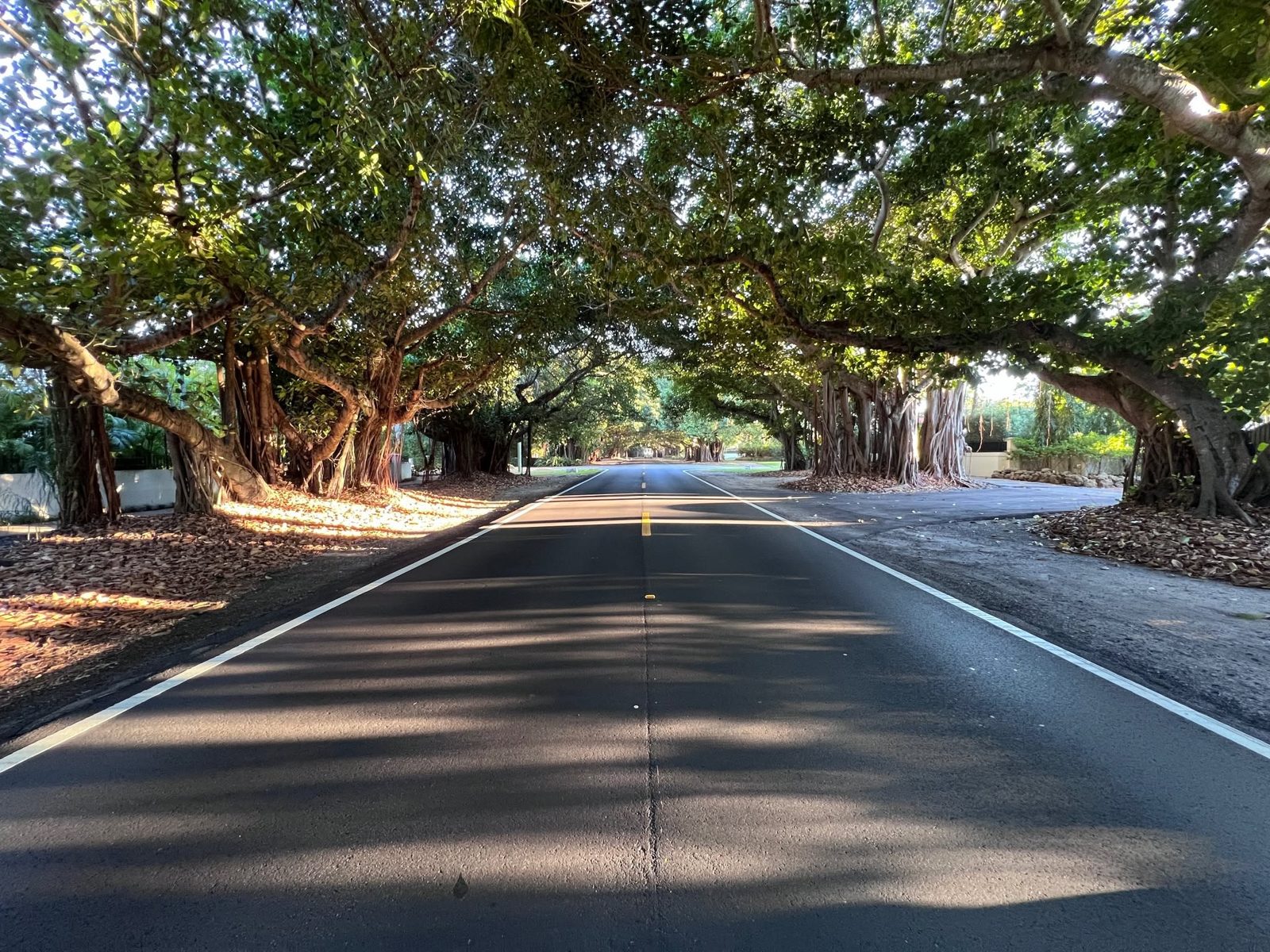
Miami runs at three speeds. South Beach performs. Brickell works. And Coconut Grove — the city's oldest neighborhood, settled by Bahamian pioneers two decades before Miami itself existed — simply lives, under a canopy of banyans with the bay breeze moving through. It is cooler than the other two in every sense of the word, and it's where Miami is best done at a walking pace.
Where to Stay
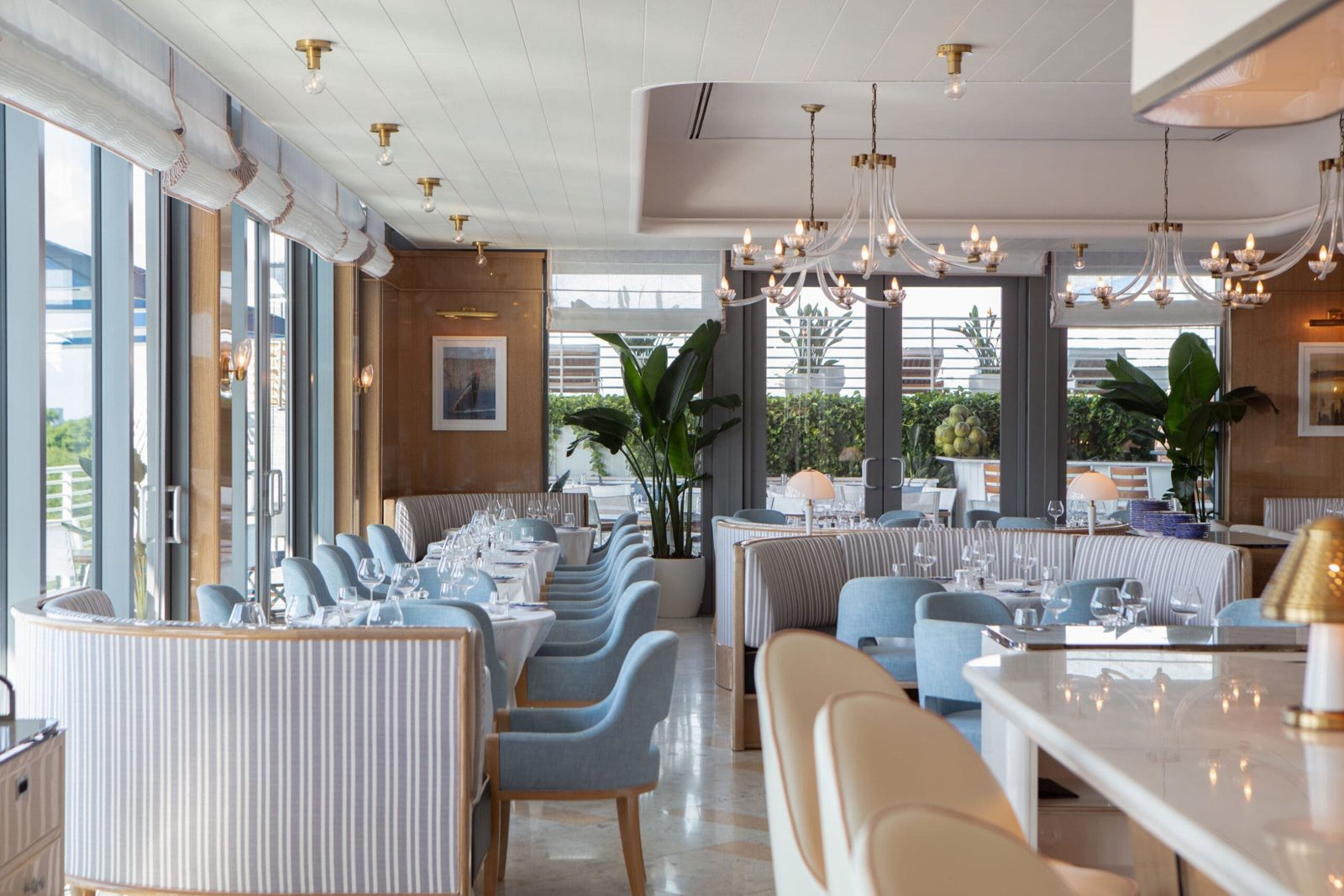
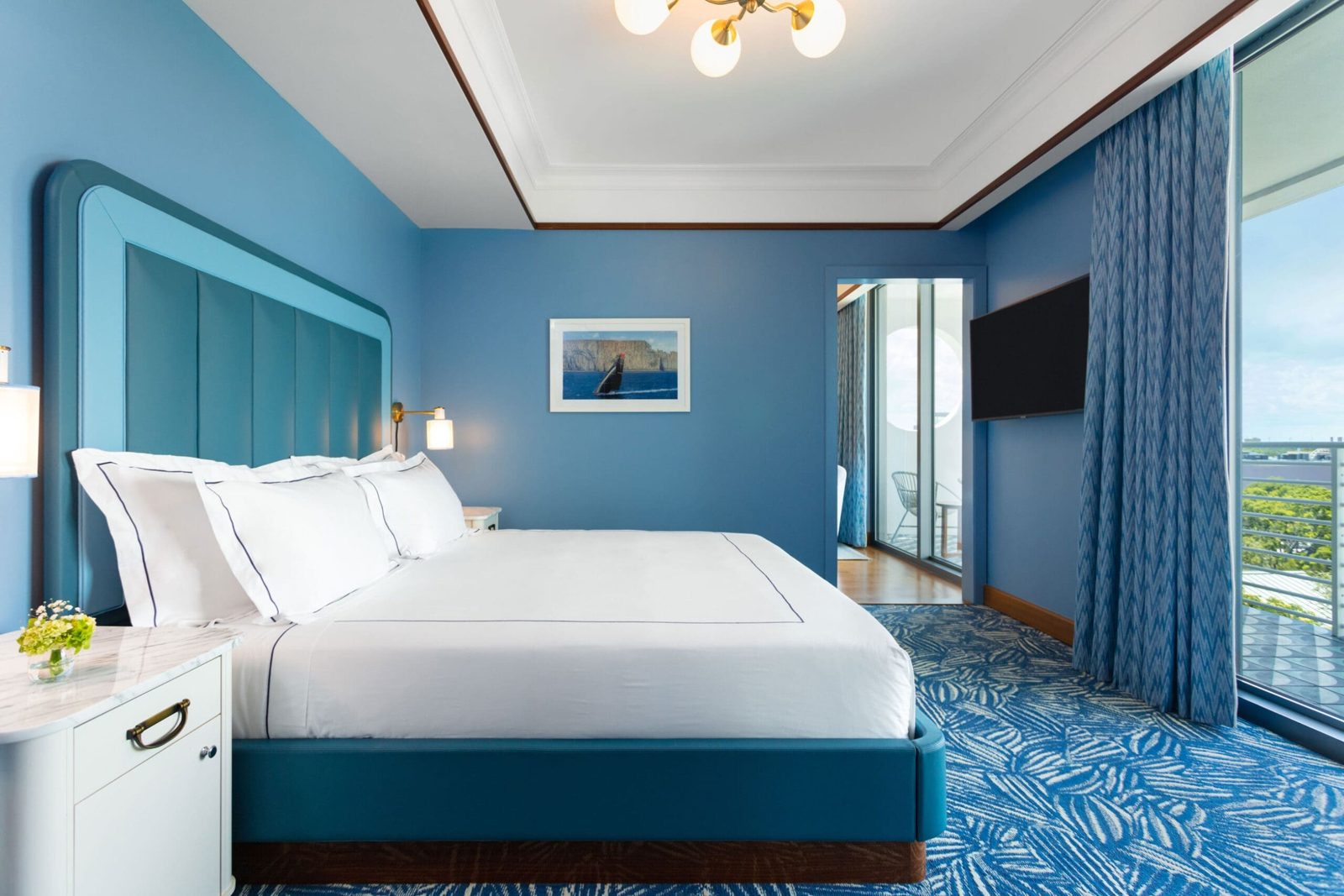
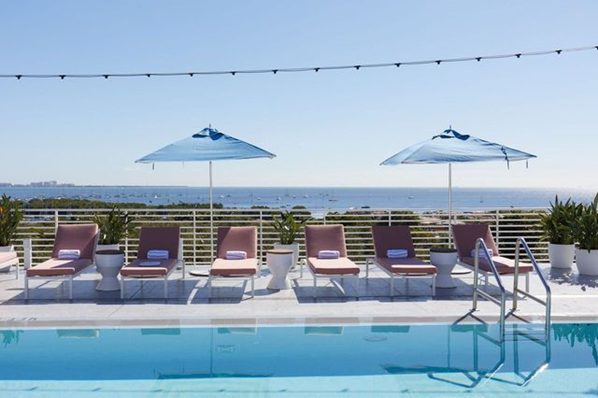
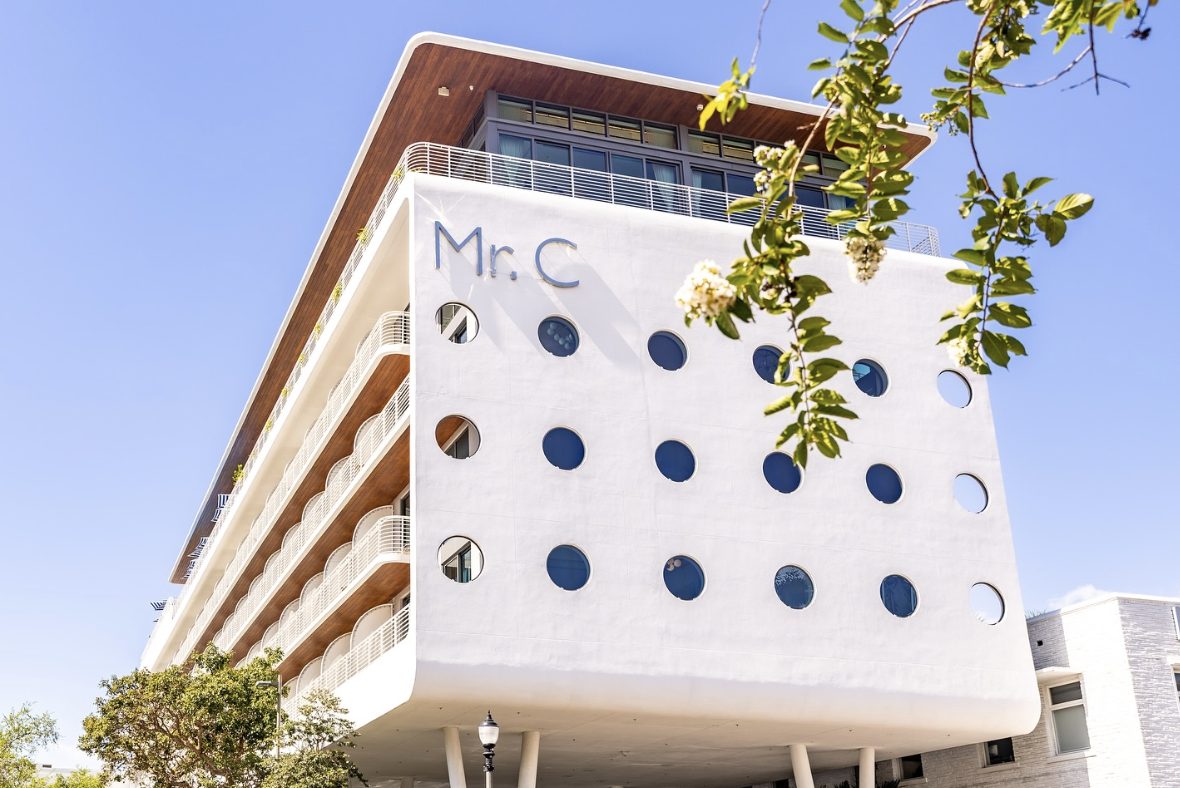
Base yourself at Mr. C Miami – Coconut Grove, the hotel from brothers Ignazio and Maggio Cipriani — fourth generation of the family whose great-grandfather opened Harry's Bar in Venice and invented the Bellini. The tower reads like a stack of yacht decks: a hundred rooms, every one with a private terrace looking over Biscayne Bay or the Grove's green roof of trees. Up top, Bellini serves the family's classics — the carpaccio, the baked tagliolini, the original peach Bellini — beside a rooftop pool, with none of the DJ-thumping theater the rest of Miami can't resist. European service, Miami light. The hotel even lends bikes, which in this neighborhood is not a gimmick but the correct tool.
The Neighborhood
The Grove's real luxury is its scale: it's a village, and you walk it. Evenings sort into a stroll — the dining here has quietly become some of Miami's best, from Michelin-starred Ariete to its Bib Gourmand little sibling Chug's, French standbys, and half a dozen patios under the trees — all reachable without touching a car key, which in Miami feels like a magic trick.
Bring kids and they'll disappear into a pickup soccer game at Peacock Park before you've found a bench — fitting, since the park sits where the Peacock Inn, South Florida's first hotel, opened in 1882. Down the waterfront at Dinner Key, Miami's white-domed City Hall started life as Pan Am's seaplane terminal, when the flying boats to Havana and Rio left from the Grove. This neighborhood was the front door to Miami before Miami had one.
South Beach performs. Brickell works. The Grove just lives — under the banyans, at a walking pace.
The Ritual
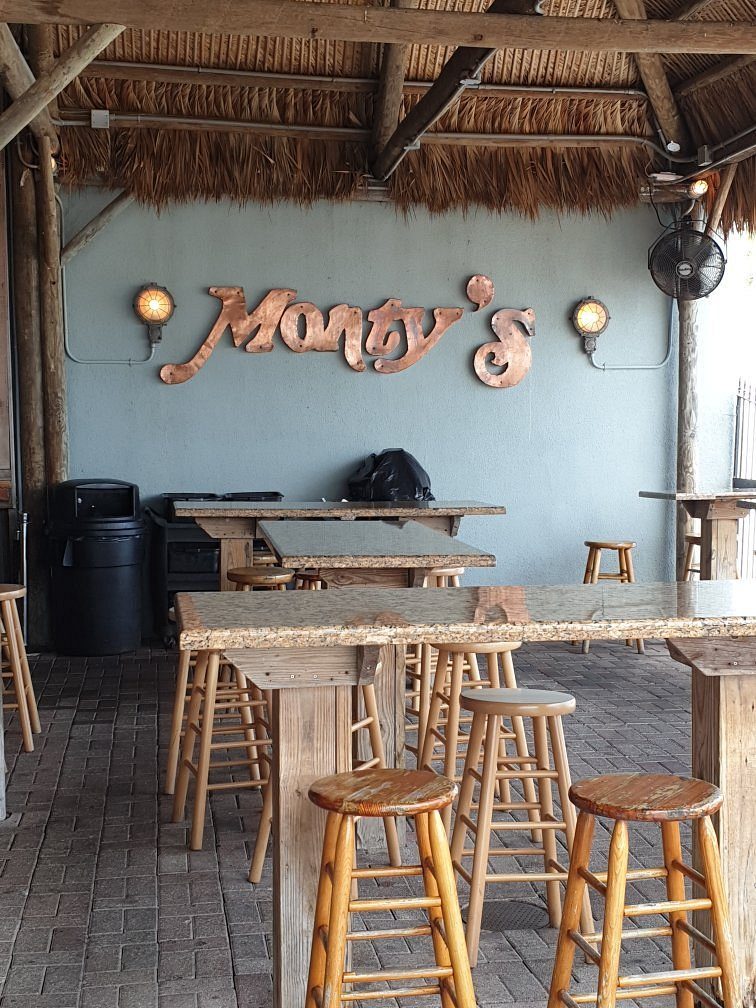
And then there's the institution. Monty's Raw Bar has held its patch of Grove waterfront since 1969 — thatched tiki roof, live music, peel-and-eat shrimp, boats swaying at the dock, a crowd of everyone from dockhands to dealmakers. Is it a little cheesy? Absolutely — in the way only beloved institutions are allowed to be. Walk down at happy hour, take a stool with the water behind you, and understand that some places survive fifty years of Miami reinventions because they got the formula right the first time.
The Excursion
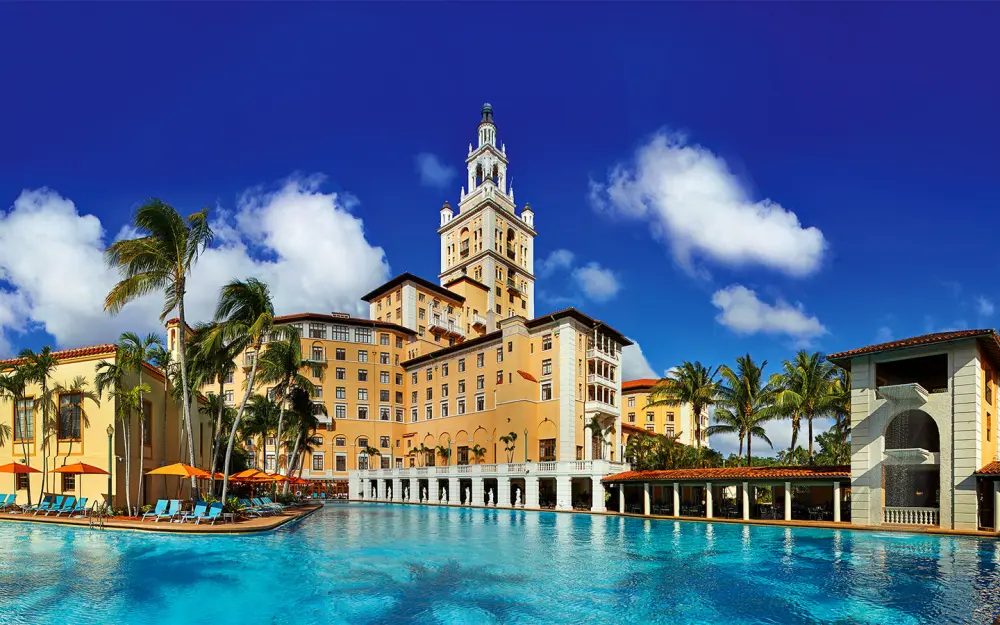
Save an afternoon for the ten-minute drive into Coral Gables to see the Biltmore, the 1926 Mediterranean colossus George Merrick raised at the center of his planned city — its 315-foot tower a copy of Seville's Giralda, its pool once the largest in the world. The history reads like pulp fiction: Johnny Weissmuller taught swimming here and broke a world record in that pool before Hollywood made him Tarzan; the 13th-floor suite ran as a Prohibition speakeasy with a gangster's murder in its lore; the war turned the whole palace into a military hospital, and it sat as a VA and then a ruin for decades before Coral Gables resurrected it as a hotel in 1987. Today it's a National Historic Landmark — take the free Sunday history tour, or just stand under the vaulted lobby with a coffee and let the place be preposterous at you.
Bay breeze, banyan shade, dinner on foot, and a tiki bar that outlasted every trend Miami threw at it — the Grove is what happens when a neighborhood keeps its trees and its scale. It's the same reason the best streets back home never go out of style. Marta is always happy to trade notes.